

Introduction to Ultra Imitations and Their Industry Impact
In today's international market, the word "super fakes" has turned more familiar among consumers and business insiders alike. These high-quality fake goods closely mimic genuine products, frequently making it hard for even the top sharp-eyed buyers to spot the distinction. Unlike classic counterfeits, super fakes are crafted with such precision that they can easily deceive consumers and professionals. This phenomenon raises important questions about the authenticity of luxury labels and the wider effects for the industry.
Super fakes have appeared as a major player in the counterfeit industry, impacting not only consumer choices but also the reputation and profits of real businesses. Understanding what super fakes are and how they function is vital for consumers who want to take informed purchasing decisions. In this blog, we will delve into the intricacies of the super fake market and its impact on both consumers and brands.
We will guide you on a comprehensive tour of all you need to understand about super fakes. From legal and ethical dilemmas to wherever these items are sold, and from the hazards involved to their effects on legitimate businesses. By the conclusion, you'll have a well-rounded understanding of super fakes and how to tackle this complex topic. Let us get started!
The Lawful & Ethical Dilemmas of Super Fakes
The rise of super fakes presents a host of legal and ethical issues that both consumers and businesses must wrestle with. At the core of the issue lies the thin line between counterfeit goods and super fakes. While traditional counterfeits are usually readily identified by their poor craftsmanship, super fakes blend these lines with premium materials and meticulous attention to detail. This raises questions about creative property rights and the legality of producing such goods.
From a lawful standpoint, selling or buying counterfeit goods, including super fakes, is against the law in many areas. Creative property laws are created to protect brands and their logos, yet the increasing sophistication of super fakes challenges regulation efforts. This forms a complicated lawful landscape that consumers and sellers must navigate carefully to dodge potential consequences.
Ethically, the making and sale of super fakes pose issues for consumers. On one hand, super fakes provide an opportunity to own luxury goods at a fraction of the cost. On the contrary hand, buying these products adds to a sector that destroys genuine brands and takes advantage of labor. This tension between cost-effectiveness and morals encourages consumers to think on their purchasing choices and the wider effects they may have.
Where to Buy Super Fakes
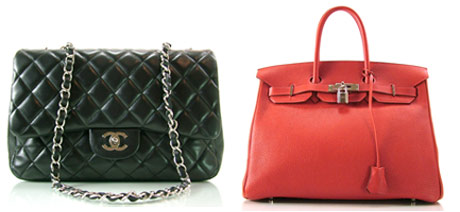
For those curious about acquiring super fakes, there is a wide range of options out there, both online and in real locations. Online platforms such as DHgate, AliExpress, and various specialty websites have become popular destinations for buyers looking for these high-quality counterfeits. These sites offer an extensive range of super fakes, from luxury handbags to high-end watches, all at a small part of the cost of authentic items.
Risks & Consequences of Buying Super Fakes
While the appeal of super fakes is irrefutable, potential risks and consequences should not be overlooked. For consumers, purchasing these items includes several risks, including financial loss. Super fakes, even with their quality, are still fakes and may not hold their value over time. Buyers may find themselves unhappy with their buy if the product does not fulfill their hopes.
The Impact on Legitimate Businesses
The growth of super fakes creates a serious risk to legitimate businesses, particularly those in the luxury goods sector. Brands invest significant resources in developing and marketing their products, and the presence of high-quality fakes threatens these efforts. Super fakes not only divert sales from authentic products but also dilute brand value and reputation.
Navigating the Industry for Super Fakes
For consumers keen in navigating the market for super fakes, knowledge and discrimination are crucial. Differentiating between authentic products and super fakes can be challenging, but certain strategies can help. Paying attention to details such as workmanship, packaging, and serial numbers can provide clues about a product's authenticity.
Conclusion and Next Steps
The world of super fakes is complex and diverse, offering both op
Consumer Awareness and Education
In context of the challenges surrounding super fakes, fostering buyer understanding and education is paramount. Understanding the implications of acquiring super fakes can enable shoppers to make wise decisions that correspond with their beliefs. https://beroma.is/what-is-a-super-fake-bag/ , both web-based and in-person, can play a vital role in enlightening consumers about the likely economic and principled consequences of their decisions. Campaigns highlighting the contrasts between fake goods and real products, along with the significance of backing genuine brands, can nurture a more astute buyer base. Additionally, tools such as feedback, handbooks, and contrast tools can assist buyers in finding high-quality products, making sure that their acquisitions match with their desired criteria of genuineness and honesty. In this dynamic market, understanding becomes a valuable tool for buyers, enabling them to steer the environment of counterfeit products with confidence and care.